

Sustainable Surface Systems
Grasscrete®
Rated to 40 tonnes, fully permeable, and naturally green. The sustainable ground cover system available exclusively through Bomanite licensees.
BEFORE & AFTER
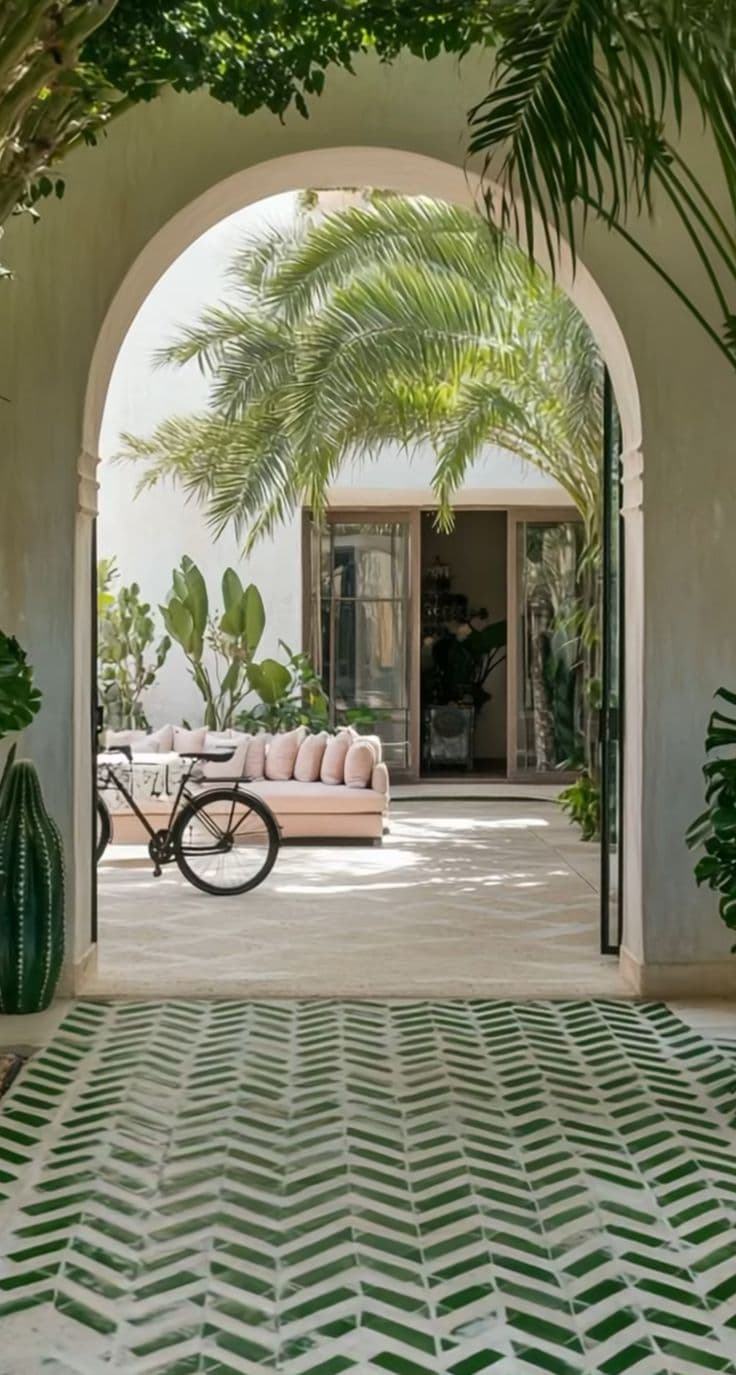
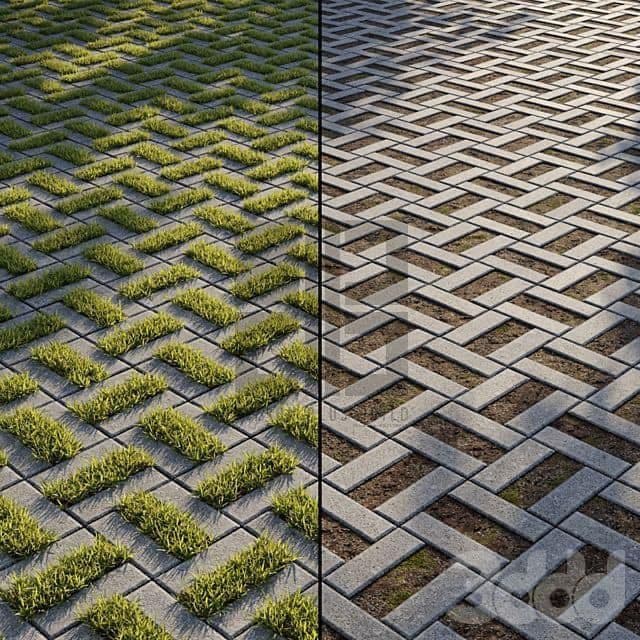
← drag to compare →
What is Grasscrete?
Load-bearing,breathing ground.
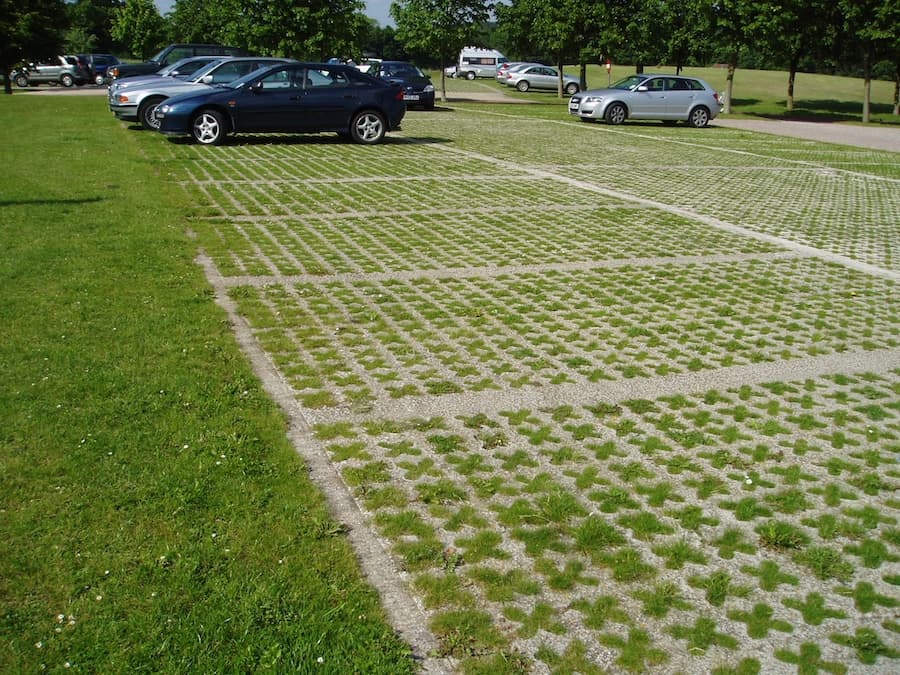
Grasscrete is the world's most widely used permeable concrete paving system, developed by Bomanite Corporation and proven for over 20 years across North America in every climate type. Its voided concrete panel structure allows grass, ground cover, or gravel to fill the openings — providing full structural strength with a living or permeable surface.
The system is engineered to support 40 tonnes GVW — ideal for fire access and emergency routes. While Grasscrete carries approximately a 30% cost premium over conventional concrete paving, it can eliminate or significantly reduce stormwater collection infrastructure, often offsetting the difference with substantial project-level savings.
Its lifespan is considered indefinite, and when eventually removed, the aggregate can be recycled directly back into future Grasscrete applications — a true closed-loop sustainability cycle. Available exclusively through Bomanite Türkiye, Grasscrete delivers significant advantages for projects requiring LEED, BREEAM, and SUDS compliance.

Bomanite Exclusive
Exclusively licensed through Bomanite Türkiye
Full Benefit Set
01
Green Surface
Grass or ground cover grows through the voids, fully concealing the concrete structure for a natural green finish.
02
Full Permeability
Rainwater drains directly into the ground. Prevents urban flooding and meets SUDS drainage standards.
03
40t Load Rating
Rated to 40 tonnes GVW — safe for fire access routes, emergency vehicles and commercial traffic.
04
Heat Island Reduction
The vegetative cover dramatically lowers surface temperature versus conventional asphalt or solid concrete.
05
LEED & BREEAM Credit
Earns credits under sustainable site use, stormwater management, and green infrastructure categories.
06
Long Service Life
Properly installed Grasscrete lasts decades with minimal maintenance — no resurfacing like asphalt requires.
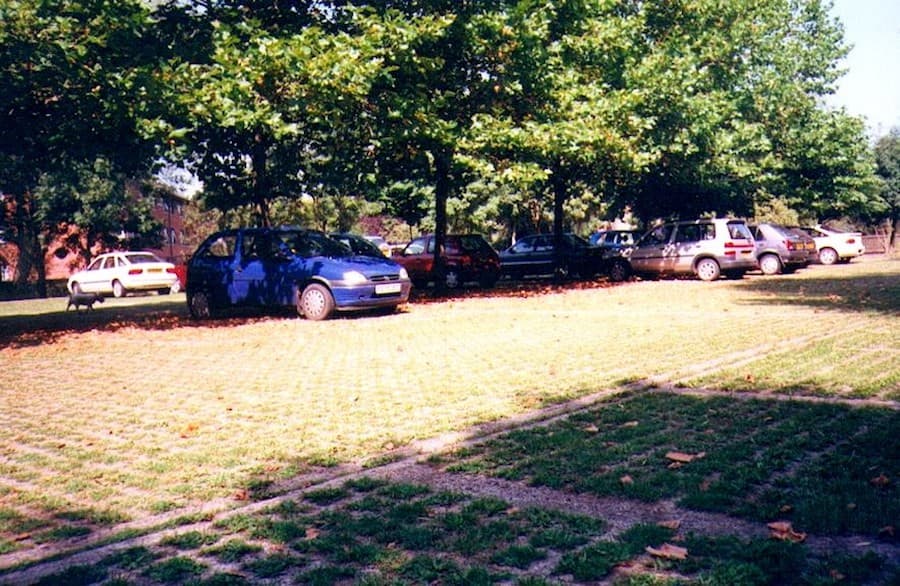
University car park
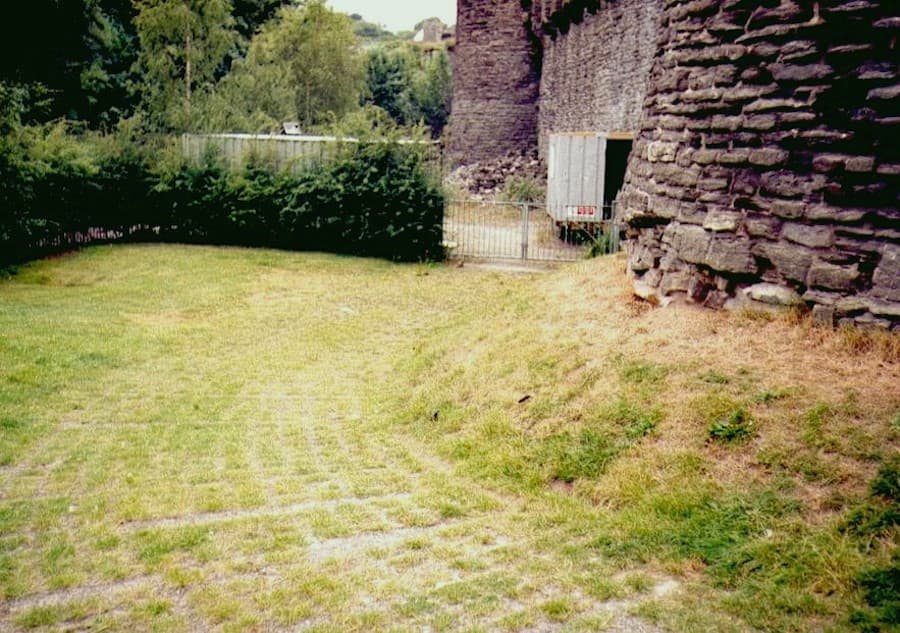
Historic site, Wales
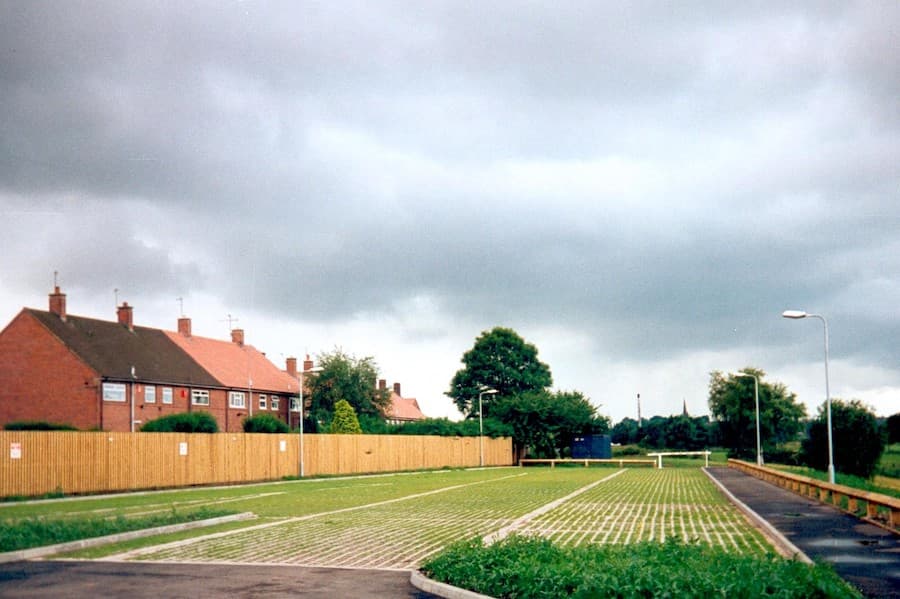
Amenity car park
System Variants
Four application types.
Grasscrete is available in four system types to match any project requirement. Each shares the same engineered base while offering distinct surface and usage characteristics.
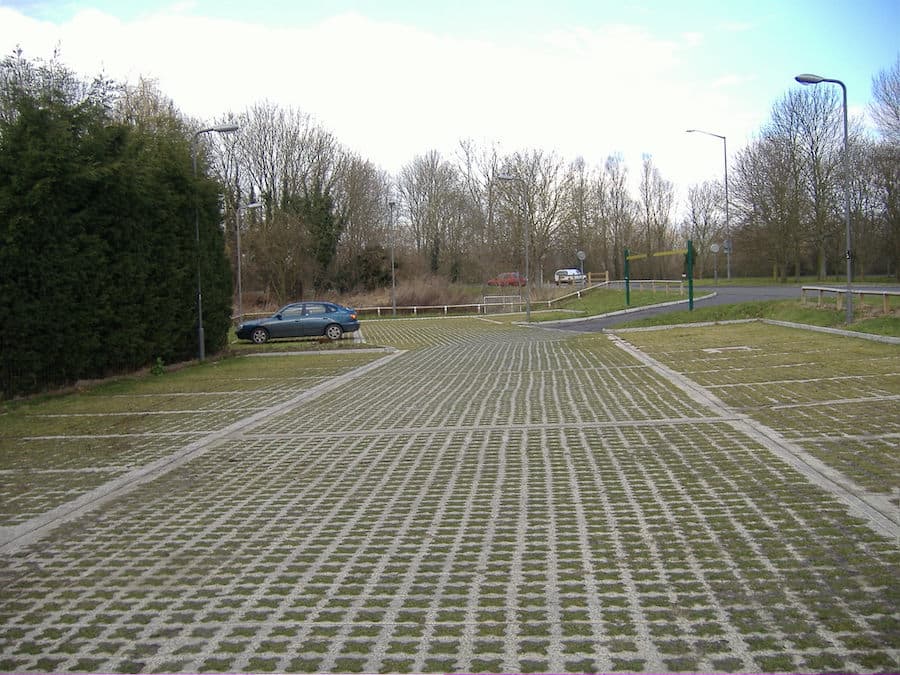
Concealed
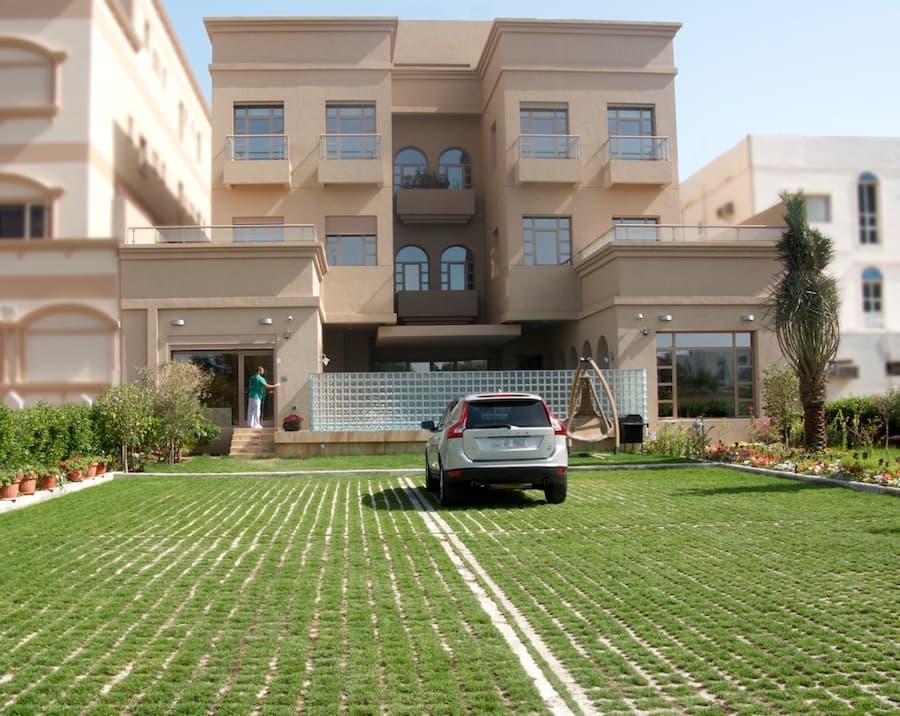
Grass or ground cover completely conceals the concrete structure. Full structural capacity is retained while the surface appears entirely as green space. Preferred for parking areas, villa gardens, and heritage surrounds.

Partially Concealed
The concrete surface is partially visible and partially vegetated. Provides a functional yet aesthetic solution. Used for sports area peripheries, walkways, and urban landscape projects.
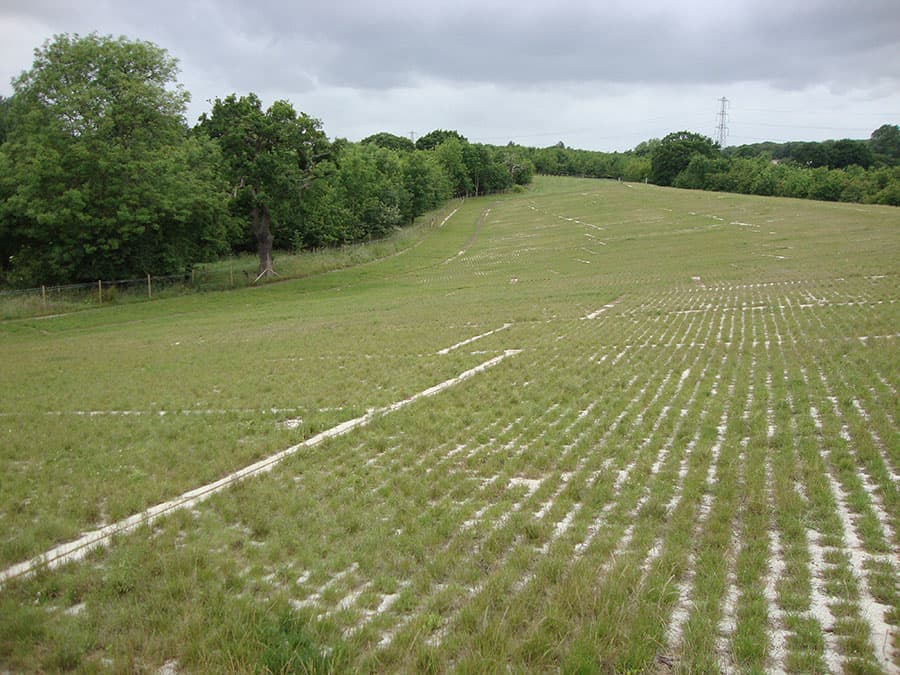
Slope Protection
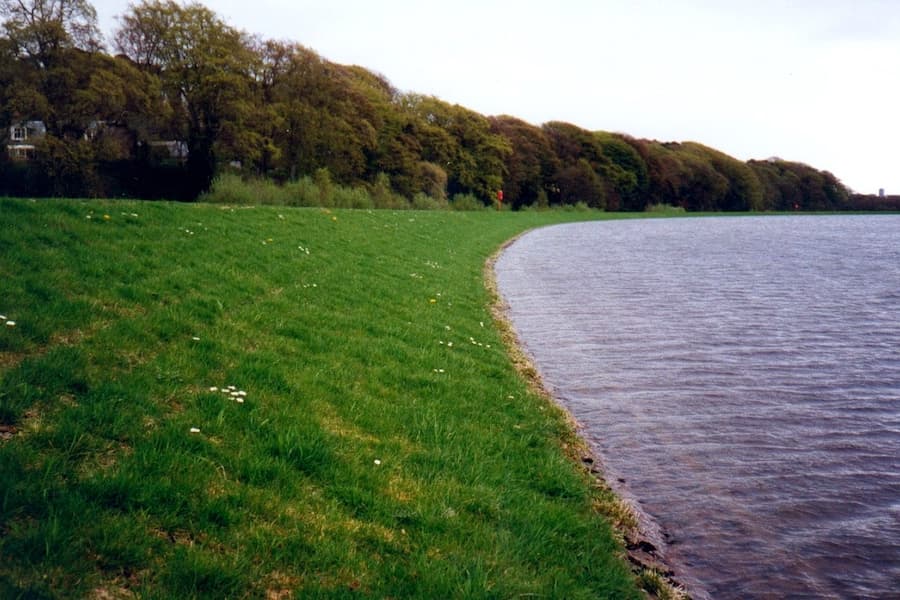
Protects embankments, river banks, channels, and retaining pond bottoms from erosion. Secures structural integrity while providing food source and cover for natural habitat inhabitants.
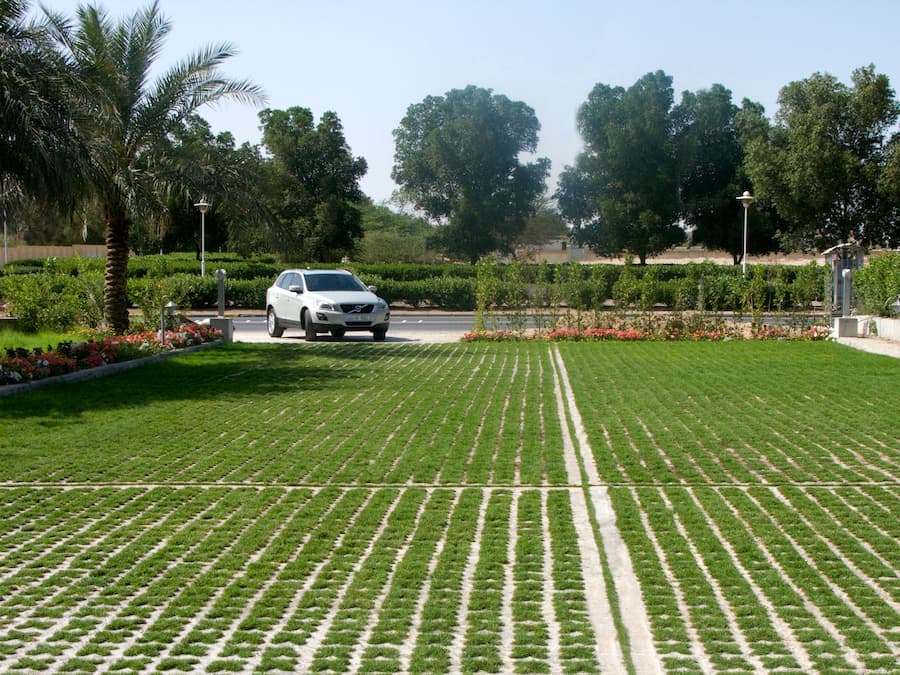
Stone Filled
Voids are filled with gravel or stone rather than vegetation. Requires no planting and is ready for immediate use after installation. Preferred for logistics access routes and industrial areas.
Installation Methods
Method A
Reusable Former
ABS plastic formers are placed on the sub-grade. Concrete is placed around the formers and, after initial set, the formers are pulled from the slab. Formers are cleaned and reused across multiple pours.
Multi-use, low wasteMethod B
Biodegradable Single-Use Former
Biodegradable molded-pulp formers (made from post-consumer recycled materials) are placed on the sub-grade. Concrete is poured directly over them. After hardening, the voids are opened and the formers biodegrade naturally in the ground.
Biodegradable, recycled-content materialLogistics Efficiency
Grasscrete formers can be delivered in a single truckload covering 7,200 sq m — an equivalent precast system would require fifty truckloads. This difference substantially reduces both project logistics costs and transportation-related carbon emissions.
50×
vs Precast
Applications
Every setting.
FIR
Fire Access Lanes
Keep mandatory fire vehicle access invisible and green year-round.
PKG
Green Car Parks
Eco-sensitive vehicle parking for commercial and residential schemes.
DRV
Landscape Driveways
Elegant low-impact driveways for villas and rural estates.
SPT
Sports & Event Venues
Hard-standing and overflow parking for stadiums and event venues.
HER
Heritage Surrounds
Permeable ground cover compatible with heritage site requirements.
URB
Urban Regeneration
Sustainable ground surfaces for urban green corridors and pedestrian zones.
Water Engineering
Traffic capacity,meets hydraulic force.
Grasscrete is a self-venting paving system — uniquely combining traffic load capacity with water engineering performance. Its open void structure is tested to withstand flow rates in excess of 8 metres per second, making it equally suited to a car park surface and a flood defence embankment.
8 m/s
Tested Flow Rate
RES
Reservoirs & Spillways
Tested to flow rates exceeding 8 m/s. Provides durable structural protection for reservoir floors and spillway faces.
DRN
Storm & Drainage Channels
Applied as a permeable channel lining and slope facing in urban stormwater collection and drainage systems.
RIV
River & Sea Defences
Protects river beds, coastal banks, and sea defence structures from erosion and wave action.
SWL
Swales
Provides a stable, permeable surface lining for bio-retention swales directing surface runoff.
Technical Specifications
Engineeringdata.
Every Grasscrete installation begins with a technical assessment covering ground survey, load analysis, and hydraulic calculation. Bomanite Türkiye provides project-specific engineering support.
40t GVW
Load Rating
≈ 33%
Void Ratio
Fully permeable
Permeability
600 × 400mm
Panel Size
100mm
Thickness
BS EN 1338
Standard
Technical Information
Engineeringreference.
The data below is derived from Bomanite's official testing documentation and technical bulletins. Contact us for project-specific engineering support.
01
Material Specifications
Former Type A
ABS Plastic (Reusable)
Former Type B
Molded Pulp (Biodegradable)
Former Content
Post-consumer recycled materials
Panel Unit
600 × 400 mm
Slab Thickness
Min. 100 mm
Void Ratio
≈ 33%
02
Structural Performance
Load Rating
40 t GVW
Application
Fire, emergency & commercial
Sub-base
150–200 mm compacted granular fill
Sub-base Depth
Reduced vs conventional concrete
Edge Restraint
Often eliminatable
Standard
BS EN 1338
03
Permeability & Drainage
Drainage Rate
Comparable to ordinary lawn
Controlling Factors
Soil type & slope gradient
Freeze-Thaw Risk
None — no clogging potential
SUDS
Fully compliant
Heat Island Effect
Reduced (improved reflectance)
Water Storage
Within void structure
04
Single-Use Former (Molded Pulp)
Degradation
Biodegrades naturally in the ground
Coverage
7,200 m² per truckload
Precast Equivalent
50 truckloads of precast
Profile — Concealed
Molded Pulp Fully Concealed
Profile — Partial
Molded Pulp Partially Concealed
Profile — Other
Stone Filled / Slope Protection
05
Reusable Former (ABS Plastic)
Material
ABS plastic
Usage
Cleaned and reused across multiple projects
Technique
Concrete placed around former; removed after initial set
Parking Layout
Standard parking stall layout available
Slope Protection
Dedicated former profile available
Technical Bulletin
Available on request
06
Environmental Credentials
LEED
Sustainable Sites & Stormwater categories
BREEAM
Permeable paving credit
SUDS
Sustainable Urban Drainage compliant
AIA / ASLA
Registered continuing education provider
Cost Premium
~30% above conventional concrete
Savings Potential
Can eliminate stormwater infrastructure
Testing & Verification
Grasscrete's structural and permeability performance has been independently verified by certified engineering laboratories and official government agencies.
FIRE
City of El Segundo Fire Dept.
Emergency vehicle load verification
GRUM
Grumman Emergency Products
Emergency vehicle certification
TWIN
Twining Laboratories
Field permeability testing
VIRG
Virginia Permeability Test
North American climate data
General Info
- ▸LEED Guide
- ▸Frequently Asked Questions
- ▸Competitor Comparison
Available on request
Testing Documents
- ▸Permeability Tests
- ▸Structural Load Test
- ▸Water Storage Capacity
- ▸Field Testing Reports
Available on request
Former Technical Bulletins
- ▸Molded Pulp Technical Bulletin
- ▸Starting Mix Designs
- ▸Specification Guideline
- ▸Safety Data Sheet
Available on request
Project Gallery
31 Projects
Car park bay markings
01 / 31
Grassroof — Green Roofing System
Green Roofing System
Grassroofliving roof.
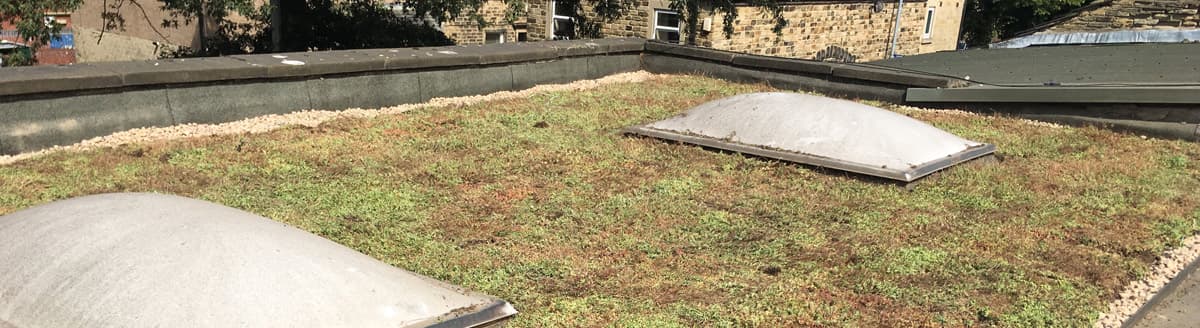
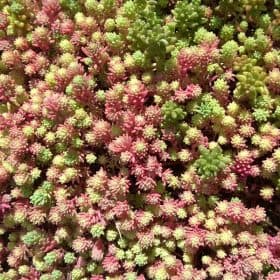
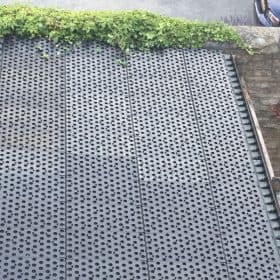
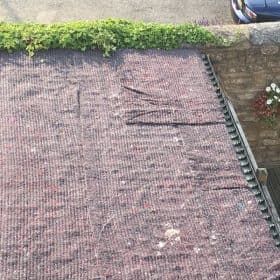
Grassroof is a modular green roofing system that can be retro-fitted to any flat roof, new or existing. It actively promotes plant and animal biodiversity while managing runoff, protecting the roof membrane, and improving building energy performance.
The system delivers an integrated response to urban environmental challenges: stormwater management, urban heat island reduction, acoustic and thermal insulation, and CO₂ sequestration. It contributes directly to BREEAM, LEED and BASIX assessments.
Regarm
Moisture-Retaining Blanket
Regarm is a recycled moisture-retaining blanket that feeds plant roots and reduces the volume and rate of drainage from rooftops. In Extensive applications it allows a reduced soil layer depth beneath sedum turf, minimising imposed structural load and simplifying material delivery for retrofit installations.
Eight Core Benefits
Transform your building.
01
Reduces Flood Risk
Slows surface water flow into drainage networks, reducing the volume and rate of discharge and lowering localised flood risk.
02
Natural Filtration
Vegetation and growing medium naturally filter roof runoff before discharge, improving water quality at the point of release.
03
Heat Island Reduction
Increased evapotranspiration and improved surface reflectance substantially reduce the Urban Heat Island Effect.
04
Noise Reduction
The growing medium and plant layer significantly reduce the transmission of exterior noise into the building interior.
05
Thermal Insulation
The vegetated layer acts as a natural thermal buffer, reducing building energy consumption and mechanical HVAC load year-round.
06
CO₂ Sequestration
Plants sequester CO₂ through photosynthesis and release oxygen, directly reducing the building's operational carbon footprint.
07
Membrane Protection
The growing medium shields the roof membrane from UV radiation and weathering, significantly extending its serviceable lifespan.
08
Biodiversity
Creates natural habitats for bees and urban wildlife, actively promoting plant and animal biodiversity in the built environment.
Application Types
Three system types.
The correct system type is selected based on each roof's load capacity, climate conditions and intended use.
EXT
Extensive
Minimal soil depth and hardy sedum species with low maintenance requirements keep the imposed structural load to a minimum. The most efficient option for large roof areas and retrofit projects.
Low Structural LoadSIM
Simple Intensive
Medium growing medium depth with a broader plant palette balances aesthetic and ecological function. The Regarm layer increases moisture retention, supporting a wider range of planting.
Medium Structural LoadINT
Intensive — Roof Garden
Deep growing medium and full landscape design create a fully accessible roof garden. Trees and shrubs can be planted, providing the greatest ecological and amenity value of any green roof type.
High Structural Load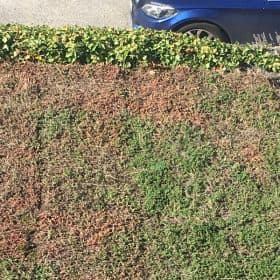
Certification Contribution
Grassroof earns credits under BREEAM, LEED and BASIX green building assessments. It contributes directly to sustainable site use, stormwater management, energy efficiency and biodiversity categories.
BREEAM
Compliant
LEED
Compliant
BASIX
Compliant
RETRO-FIT
Any flat roof
Certification Contribution
“Its lifespan is indefinite and it can be recycled to form the aggregates for future Grasscrete applications — a truly circular material.”